Kurume 久留米
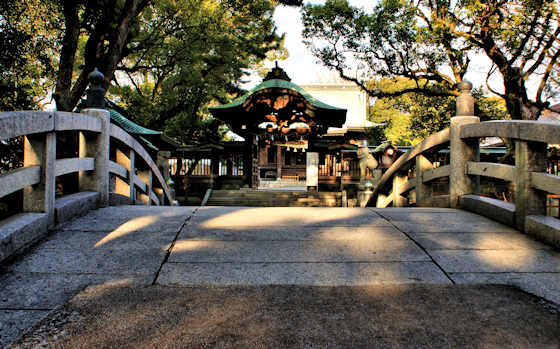
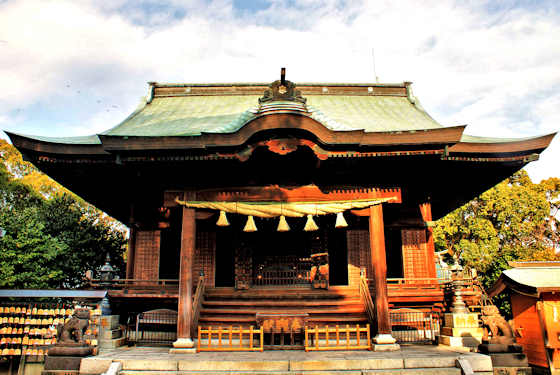
Suitengu Shrine in Kurume is the head shrine of all Suitengu shrines in Japan. It was founded in the 13th Century and moved from various sites until its current location on the bank of the Chikugo River in Kurume.
It felt like a "national", political shrine and researching it has confirmed my feeling.
Suiten is a water deity, originally Varuna, a Hindu deity, and was imported into Japan with Buddhism. In 1868 all the deities in shrines that had a Buddhist origin, and there were very many, were replaced with Japanese kami that usually had imperial connections. All the very popular deities, Inari, Konpira, Myoken, Ebisu, etc were changed to imperially-connected kami.
Now enshrined here are Amenominakanushi, the kami who created the universe and who is enshrined in hundreds of shrines but only since 1868, Next is Antoku, the child emperor who drowned at the Battle of Dannoura. Prior to 1868 emperors who not enshrined in "shinto" shrines. Emperors who died violently, like Antoku, were enshrined in Buddhist temples, many of which were "converted " to shrines after 1868. Also enshrined are Taira no Tokiko. wife of the famous Taira Kiyomori, and their daughter, Taira no Tokuko, the mother of Antoku.
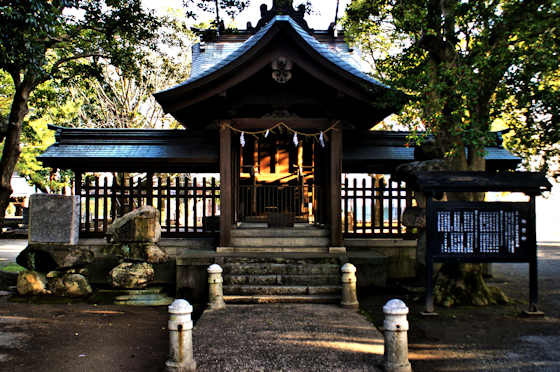
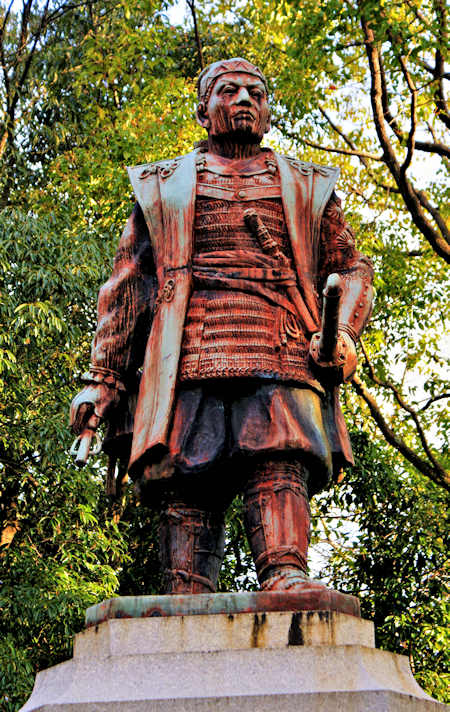
A large part of the shrine is now devoted to Yasuomi Maki. He was a priest at the shrine, but also a samurai involved in the early stages of the civil wars that led to the Meiji Restoration. Pictured above is the Maki Shrine in the grounds.
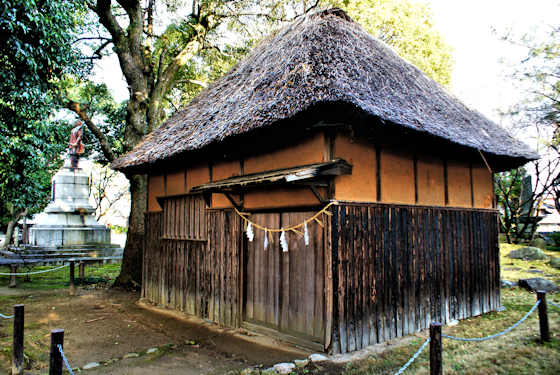
In 1862 he was involved in an anti-government "disturbance" in Fushimi in Kyoto and was briefly held under house-arrest. Pictured above is a replica in the shrine grounds of the house he was held in.
Also known as Maki Izumi, in 1864 he took part in fighting in what is known as the Kinmon Incident when pro-imperial forces attempted to take control of the imperial palace in Kyoto. After suffering defeat Maki took his troops to Tennozan and committed suicide.
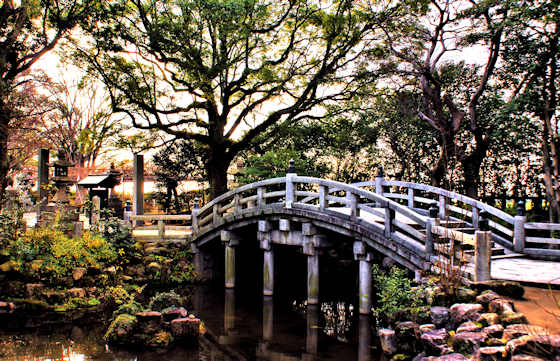
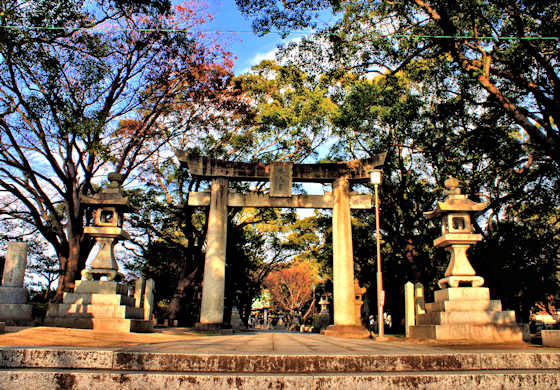
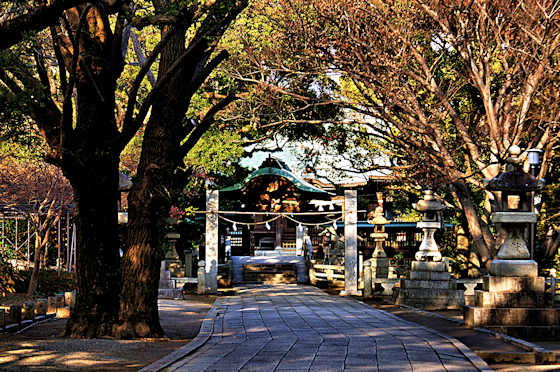
The grounds of the shrine are quite large and pleasant, with lots of trees, but like many of what I would call the political shrines, it is quite sombre and austere and not much sign of local peoples involvement.
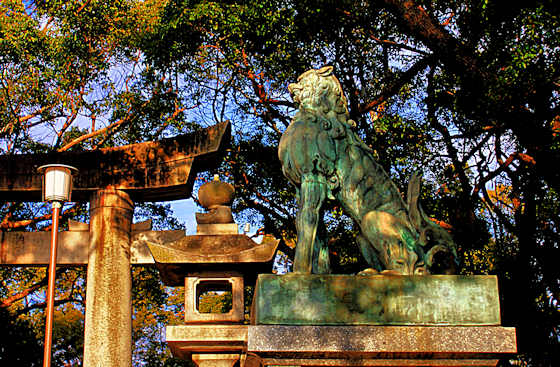
The one exception is the pair of Hizen komainu, which are quite distinctive, and like many statues are used for prayers for healing by rubbing the part of the statues that corresponds to the su\ickness.
If you would like to subscribe by email just leave your email address in the comments below. It will not be published and made public. I post new content almost everyday, and send out an email about twice a month with short descriptions and links to the last ten posts.




 Posts
Posts


